
Top AI Image Generators of 2026
Discover the best AI image generators of 2026 that are transforming creativity. Explore innovative tools and top AI solutions for stunning image generation.
AI MAKING
12/18/20257 min read
Introduction to AI Image Generation
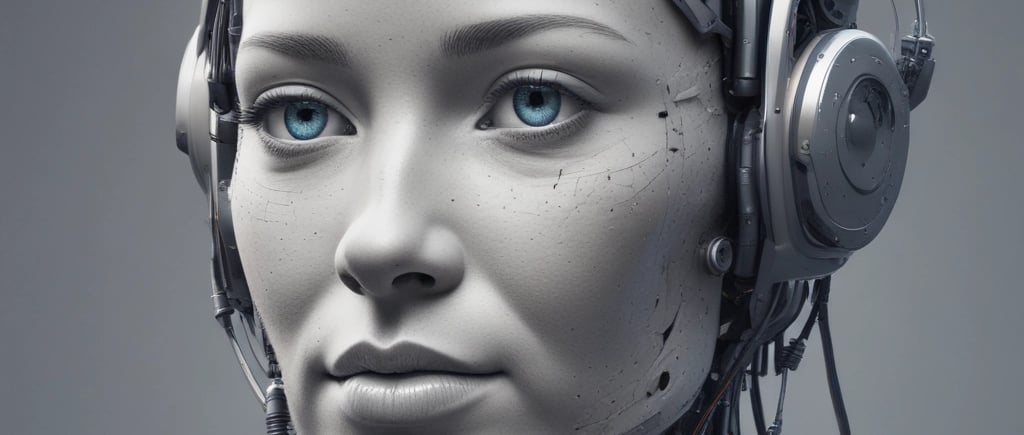
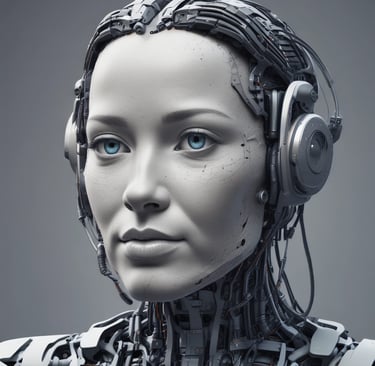
AI image generation refers to the use of artificial intelligence technologies to create visual content. This innovative approach has significantly transformed various sectors within the creative industry, particularly by streamlining workflows and providing new avenues for artistic expression. As we delve deeper into 2026, it is evident that advancements in AI algorithms, machine learning, and neural networks have greatly enhanced the capabilities of AI image generators.
The significance of AI image generation in art, design, and marketing cannot be overstated. Artists can leverage these tools to experiment with different styles, generate unique artworks, and explore concepts that may have been previously unattainable. Designers can utilize AI image generators to create assets, mockups, and prototypes quickly, thereby reducing the time spent on manual production processes. Furthermore, marketers can harness these technologies to create targeted advertisements tailored to specific consumer preferences, enhancing engagement and interest.
One of the most compelling features of AI image generators is their ability to learn from vast datasets, which allows them to produce realistic and high-quality images that resonate with human aesthetics. By analyzing patterns, colors, and compositions from a diverse array of artistic styles, these systems can generate outputs that range from photorealistic images to abstract designs. This flexibility makes AI image generation an essential tool for a wide range of professionals, enabling them to push the boundaries of their creativity.
In summary, as we explore the top AI image generators of 2026, it is crucial to recognize the transformative impact they have had on the creative landscape. The advancements in AI technology have made these tools not just supplementary assets but vital components in the toolkits of modern artists, designers, and marketers.
When evaluating AI image generators, several key criteria emerge that distinguish the most effective tools from their less competent counterparts. One of the foremost considerations is the ease of use; an intuitive user interface can significantly enhance the experience for both novices and experienced users. Generators that allow users to quickly learn and navigate the system without excessive technical jargon tend to be more favorable.
Another crucial aspect is the image quality. The capability of an AI image generator to produce high-resolution images that are visually appealing and detailed is a determining factor for many users. This quality not only reflects the sophistication of the underlying algorithms but also impacts the utility of the generated images across various applications.
Versatility in styles is also vital. A top-tier AI image generator should provide users with a diverse range of artistic styles and customization options, enabling them to explore different creative avenues. This diversity allows users to tailor their outputs according to personal preferences or project requirements, thereby enriching the creative process.
Speed of generation is another performance indicator. Users often require quick responses to their requests, especially when integrated into professional workflows. A generator that can produce images rapidly without compromising quality is particularly advantageous.
Finally, additional features such as customization capabilities and community support can greatly enhance the user experience. Tools that allow users to tweak parameters and settings offer greater creative control. Moreover, active user communities can provide essential support, tips, and inspiration, fostering a collaborative environment where users can grow and learn from each other.
Review of the Top 5 AI Image Generators in 2026
As the realm of artificial intelligence continues to expand, several image generators have emerged as frontrunners in 2026. By evaluating these innovative tools, we can gain insight into their capabilities and performance.
The first generator on our list is Artify AI. Known for its user-friendly interface, Artify AI excels in creating digital artwork. Users have reported an extensive variety of styles that can be tailored to fit specific artistic visions. However, some consumers have noted that complex requests may sometimes yield unexpected results, highlighting a limitation in its interpretative capabilities.
The second contender, Pixeloid, stands out for its speed and efficiency. This tool generates high-resolution images quickly, proving advantageous for users seeking rapid results for projects. Despite its efficiency, Pixeloid's artistic depth does not quite match that of other generators, as users have described its outputs as somewhat generic in certain applications.
Next, we have DreamRender, which utilizes advanced neural networks to create photorealistic images. DreamRender has gained popularity among graphic designers for its ability to transform basic sketches into stunning visuals. Still, potential users should be aware of its steep learning curve as mastering the tool may require considerable time and practice.
VisionaryArt, on the other hand, appeals to those looking for customization features. With a plethora of adjustable parameters, users can craft unique visuals that align with their desired aesthetic. However, this extensive customization may overwhelm beginners who prefer a more straightforward approach.
Finally, ImageFlux rounds out our top five list. Celebrated for its community-driven platform, ImageFlux allows users to share and collaborate on projects, enriching the creative process. Nonetheless, user experience can vary significantly as the quality of outputs heavily depends on the contributions of its community, leading to differing levels of satisfaction.
Through this review, it becomes evident that each AI image generator presents distinct characteristics, strengths, and weaknesses that cater to varying creative needs and levels of expertise.
Innovative Tools and Features in Advanced AI Generators
As we step into 2026, the realm of AI image generators has evolved significantly, offering an array of innovative tools designed to enhance the creative process. One notable advancement is the incorporation of real-time collaboration features. This tool facilitates seamless teamwork among artists and designers, enabling multiple users to work on the same project simultaneously. The ability to see changes in real-time fosters a dynamic creative environment and encourages the sharing of ideas, ultimately leading to superior artistic outcomes.
Another significant feature that has gained traction is style transfer technology. With this function, users can easily apply the aesthetic of one image to another, allowing for endless creative possibilities. Artists can experiment with various styles, from classical art to contemporary designs, effectively merging diverse artistic influences into their work. This not only enriches the artistic palette but also broadens the scope of creativity as individuals explore new interpretations of existing imagery.
Furthermore, the integration of AI image generators with virtual and augmented reality platforms is revolutionizing the way art is experienced. This integration allows creators to visualize their images in a 3D space, providing a more immersive experience. Users can manipulate their creations in a realistic environment, which enhances understanding and interaction with the artwork, offering new ways of engaging audiences.
The advancements in machine learning techniques also play a crucial role in enhancing image detail and creativity. Algorithms now analyze and process vast amounts of data, leading to more sophisticated and innovative outputs. These advancements enable generators to produce images with improved precision, nuance, and depth, pushing the boundaries of what is possible in digital artistry.
Use Cases and Applications of AI Image Generators
The advent of AI image generators has revolutionized various industries by enhancing creativity and streamlining workflows. In the realm of advertising, brands utilize these tools to create impactful visuals that resonate with their target audience. For instance, companies can generate unique images for social media campaigns in a matter of minutes, allowing for rapid testing and iteration of promotional content.
Fashion design is another sector experiencing transformative changes due to AI image generation. Designers employ these tools to visualize concepts quickly, enabling them to innovate and explore various styles without the time-consuming process of traditional sketching. AI-driven platforms can analyze fashion trends and suggest designs that cater to current consumer preferences, thus ensuring that brands stay relevant and competitive.
Game development also benefits significantly from AI image generators. Developers can create intricate environments, character designs, and assets that enhance game aesthetics, all while optimizing development time. For example, studios can use these tools to generate concept art for game levels, reducing costs associated with hiring multiple artists for initial drafts. This capability not only accelerates the creative process but also allows for the exploration of diverse artistic directions.
Additionally, the fine arts sector is embracing AI-generated imagery for both inspiration and new forms of artistic expression. Artists experiment with these technologies to produce innovative pieces that challenge traditional methods of creation. Through collaborations between humans and AI, unique artworks emerge that combine the nuances of human creativity with the computational prowess of algorithms, resulting in previously unimaginable visual experiences.
Incorporating AI image generators is indeed becoming essential across various fields. These applications highlight their capacity not only to increase efficiency but also to enhance creative potential within various industries, as demonstrated through numerous successful implementations.
Challenges and Ethical Considerations
The integration of AI image generators in creative processes brings forth a spectrum of challenges that warrant careful examination. One significant concern is the potential for misuse. As these advanced tools become more accessible, there is an increasing risk of generating misleading or harmful imagery. For instance, AI-generated images can be manipulated to create fake news or propaganda, which can distort public perception and incite social unrest. Such misuse highlights the urgent need for guidelines and regulations to govern the use of these technologies.
Moreover, copyright issues present another formidable challenge. The question of ownership arises when an AI generates an image. Is the creator of the algorithm the artist, or is it the user who prompts the generation? Current copyright laws may not adequately address the nuances of AI-generated content, leading to legal ambiguities that complicate the ownership rights of such works. Navigating these legal waters will be crucial as the usage of AI in creative industries continues to expand.
Ethical dilemmas surrounding originality are also prevalent in discussions about AI-generated images. As these tools emulate human creativity, one must ponder the implications for genuine artistic expression. Are AI-generated images true art, or do they lack the emotional depth and intention that characterize human-made works? Additionally, the proliferation of AI-generated content may overshadow the work of traditional artists, leading to concerns about the value of creativity and individuality in an AI-driven landscape. Artists and technologists alike must engage in dialogue to navigate these evolving ethical landscapes.
Looking Ahead: The Future of AI Image Generators
The evolution of AI image generators is an exciting area of technological advancement that presents numerous possibilities for the future. As we approach the year 2026, it is essential to consider how these tools will develop and the impact they will have on various creative industries. One significant trend anticipated is the integration of more sophisticated machine learning algorithms, which will allow AI image generators to create increasingly complex and high-quality images. These advancements are likely to enhance the customization options available to users, enabling them to generate images that closely align with their specific artistic visions.
Furthermore, the growing emphasis on user-friendly interfaces means that professionals and amateurs alike can leverage these tools without extensive technical knowledge. As AI becomes better at understanding contextual cues and user preferences, the interaction between creators and AI tools will evolve. We can expect that future platforms will offer more intuitive experiences, where users merely input ideas or emotions to receive tailored visual content instantly.
Another significant development may reside in the collaboration between AI image generators and traditional art forms. Artists might utilize these tools not just for generating standalone images but also as part of a hybrid creative process that amplifies their artistic voice. This fusion of technology and artistry is poised to challenge the current paradigms of creativity, leading to fresh perspectives and innovative works.
As we contemplate these possibilities, we invite readers to reflect on how AI image generators can change their own creative workflows. What features would you find essential in these future tools? The dialogue around artificial intelligence and creativity is dynamic; thus, sharing your thoughts could foster a deeper understanding of how we envision the creative landscape in years to come.